


Table of Contents
Palo azul "exhibited significant anti-inflammatory activity"
Palo azul tea has been used traditionally for over 500 years because of its powerful anti-inflammatory property. Recently, several studies have found that palo azul showed anti-inflammatory activity due to its flavonoid rich content and they've supported palo azul's effectiveness for its traditional uses.
Palo azul is anti-inflammatory: several studies found that it exhibited significant anti-inflammatory activity and decreased pro-inflammatory cytokines, thanks to its flavonoid rich content.
Key Takeaways
- Palo azul has been used traditionally for over 500 years because of its anti-inflammatory property.
- Studies from 2011, 2015, 2018, and 2024 found that palo azul exhibited significant anti-inflammatory activity.
- Its flavonoid rich fractions decreased the serum levels of pro-inflammatory cytokines.
- Flavonoids are polyphenols that are also found in fruits, vegetables, grains, tea, and wine.
- Most of these studies were done in the lab or in animals, for example in tests on paw and ear edema.
For example, a 2015 study found that palo azul "exhibited significant anti-inflammatory activity" and the researchers concluded that "the results of this study demonstrated that the bark of palo azul acts as an anti-inflammatory agent."
The researchers in this study concluded the following: "Our data indicate that palo azul exhibited significant anti-inflammatory activity in all the trials of paw and ear edema.”

This 2024 study concluded that palo azul extracts "have been shown to be an excellent anti-inflammatory agent."
This 2018 study concluded that "EE (palo azul) and its rich-flavonoids fractions inhibited secondary inflammatory reactions" and "also decreased the serum levels of pro-inflammatory cytokines."
A 2011 study similarly concluded that palo azul's "fractions rich in flavonoids induce an anti-inflammatory effect in chronic inflammation."
What are flavonoids?
According to a 2016 review, flavonoids are "a group of natural substances with polyphenolic structures and they're found in fruits, vegetables, grains, bark, roots, stems, flowers, tea and wine. These natural products are well known for their beneficial effects on health."

Another 2018 study concluded that "EPE (palo azul) exerted in vitro anti-inflammatory effects."
Lastly, this 2011 study found that "C. genistoides (palo azul) showed a significant inhibition of the carrageenan-induced inflammation" and concluded that "these results give support to the use of this plant as an anti-inflammatory in traditional medicine."
Conclusion
Studies showed that palo azul is a powerful anti-inflammatory because it inhibited the production of pro-inflammatory cytokines. One study concluded that "these results give support to the use of this plant as an anti-inflammatory in traditional medicine." That same benefit is part of why palo azul came up when we wrote about detoxing from the L.A. fires.
Frequently Asked Questions
Is palo azul anti-inflammatory?
Yes, palo azul is anti-inflammatory according to several studies. A 2015 study found that it "exhibited significant anti-inflammatory activity," a 2018 study found that it decreased the serum levels of pro-inflammatory cytokines, and a 2024 study called it "an excellent anti-inflammatory agent." These effects come from its flavonoid rich content. Most of this research was done in the lab or in animals, and it supports the way palo azul has been used in traditional medicine for over 500 years.
What does palo azul do for the body?
What palo azul does for the body comes mostly from its flavonoids, a group of polyphenols. Studies show these flavonoids reduce inflammation and lower pro-inflammatory cytokines. Palo azul is also known as kidneywood or kidney tea, because it has been used for centuries to support kidney and urinary tract function. It is caffeine free too, so you can drink it at any time of day as part of a healthy routine.
Does palo azul have side effects?
Studies on palo azul have found it to be nontoxic, and no negative side effects have been reported (1, 2, 3). Palo azul is a diuretic, so it may increase urination, similar to green tea or coffee.
Clinical Studies
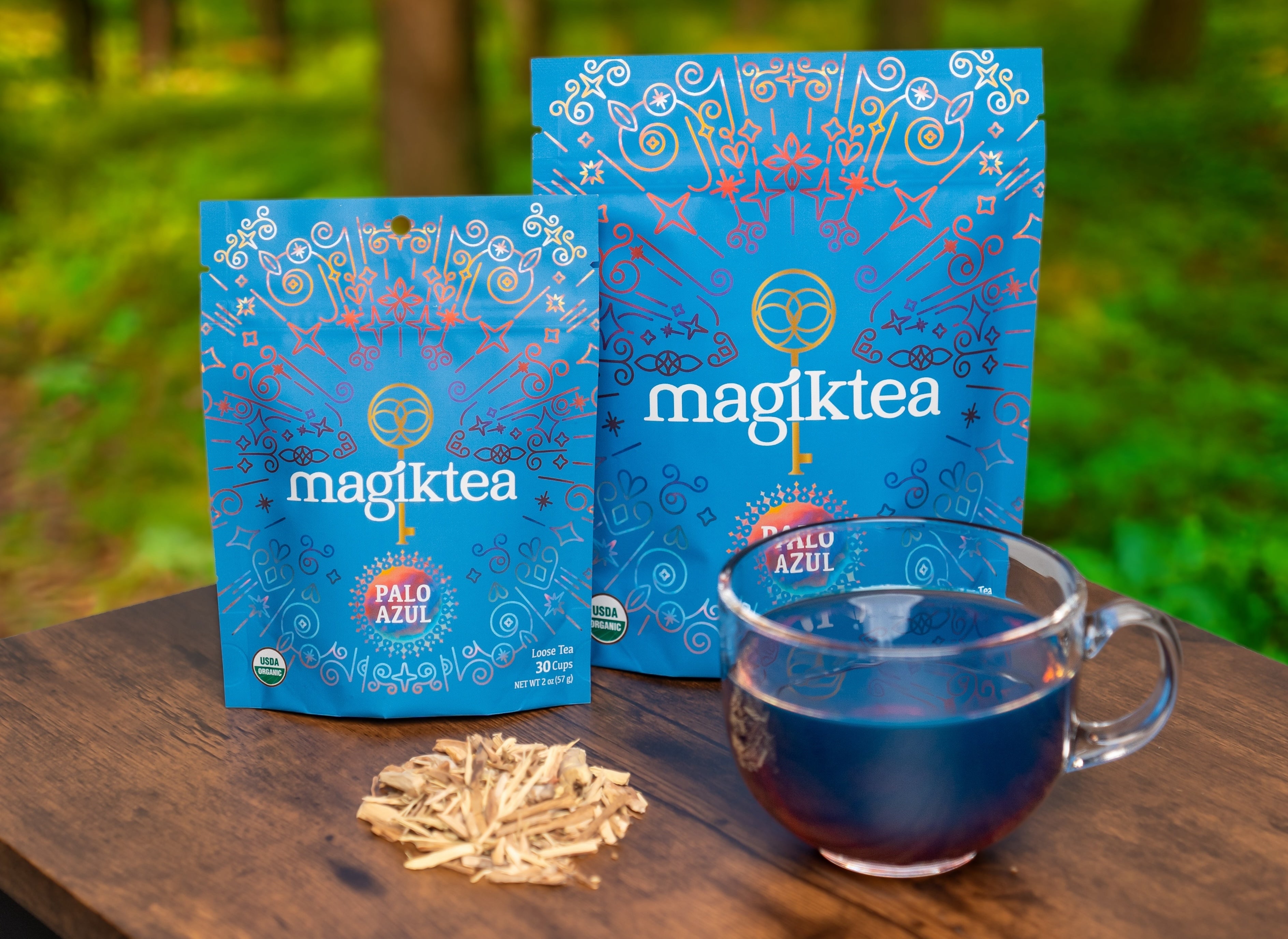
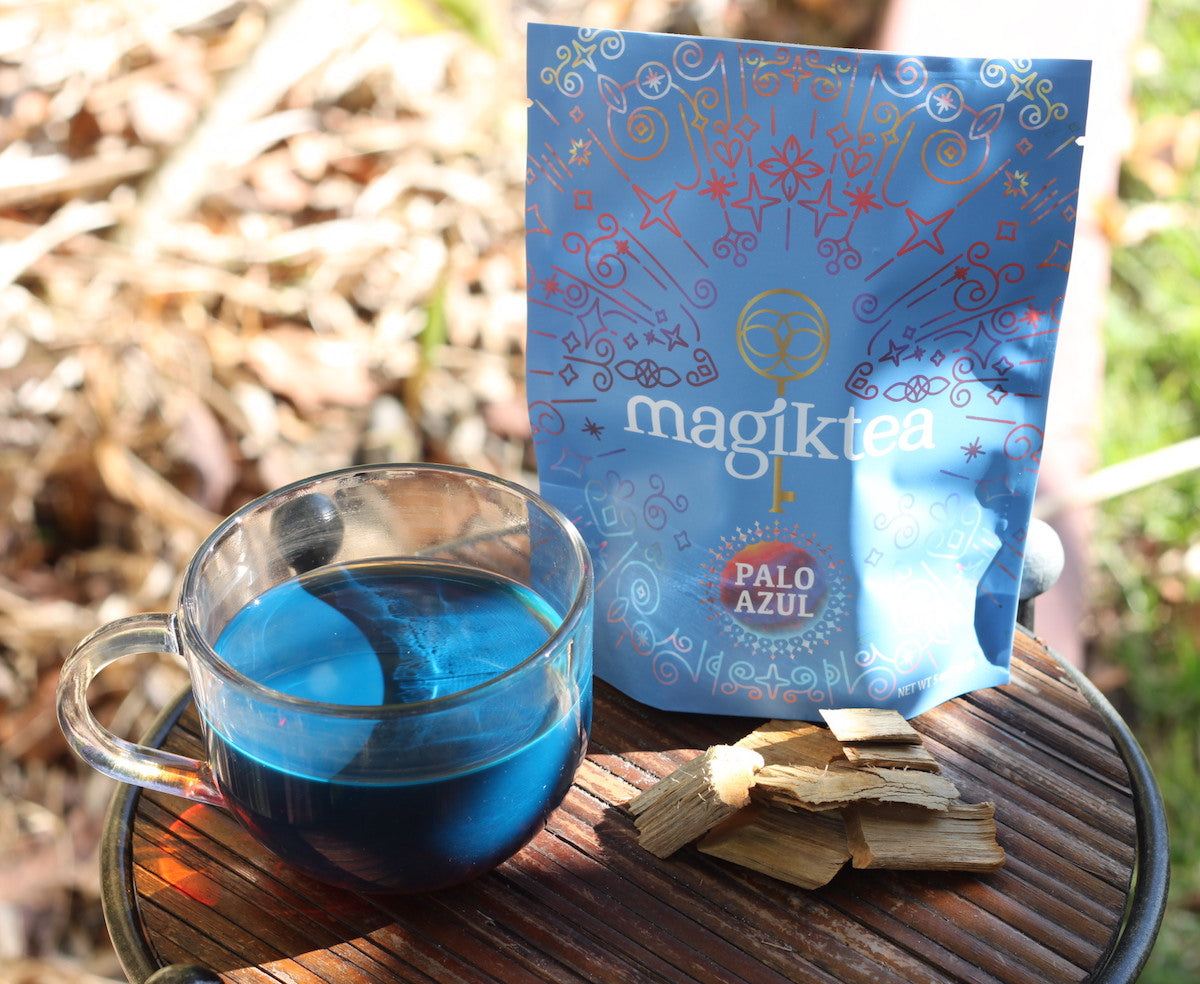
Palo azul is commonly referred to by its scientific name Eysenhardtia polystachya, Cyclolepis genistoides, kidneywood, kidney tea, or palo dulce. You can find our organic palo azul options as loose tea and tea bags.
(2021) Medicinal and Aromatic Plants of South America: Cyclolepis Genistoides
(2011) Anti-inflammatory properties from isolated compounds of Cyclolepis genistoides




when is the best time to drink the tea